
The Allure of Risk and Reward
The thrill of gambling is deeply rooted in the human psyche. Casino gaming offers players the opportunity to experience excitement and the rush of adrenaline associated with risk-taking. This sense of anticipation is a key factor in why individuals are drawn to games of chance; the possibility of winning significant rewards, both monetary and psychological, creates an alluring environment that keeps them engaged. Many players also enjoy an online casino experience, which brings its own unique set of challenges and rewards. The unpredictable nature of gambling, where outcomes can change in an instant, heightens this sense of thrill.
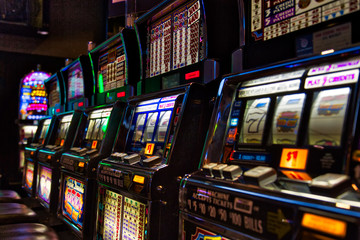
Moreover, the psychology behind risk and reward is integral to understanding player choices. Players often weigh the potential gains against the risks, leading to a unique decision-making process that varies from person to person. This internal dialogue influences whether a player opts for high-stakes games or prefers the lower limits of slots. Understanding these motivations can help casino operators design more appealing gaming experiences tailored to different psychological profiles.
The Role of Environment in Gaming Choices
The physical and sensory environment of a casino plays a significant role in shaping gaming choices. Bright lights, loud sounds, and vibrant colors all work together to create an immersive experience that can stimulate a player’s senses. This carefully crafted atmosphere encourages individuals to spend more time and money on games, reinforcing their gaming behaviors. Studies have shown that casinos are designed to engage players fully, creating a sense of urgency and excitement that can lead to impulsive decisions.
In addition to the aesthetic features, the social dynamics of a gambling environment can also impact gaming choices. The presence of other players, camaraderie, and the shared experience of excitement can influence an individual’s decision to participate in gaming. The psychological phenomenon of social proof suggests that people are more likely to engage in behaviors, such as gambling, if they observe others doing the same. Thus, the environment—both physical and social—significantly affects how players approach gaming choices.
Emotional Influences on Gambling Behavior
Emotions play a critical role in the decision-making process when it comes to casino gaming. Feelings such as joy, excitement, and even stress can lead individuals to gamble, seeking an escape or a high from the experience. Additionally, players may engage in gambling as a coping mechanism to regain control in their lives, making decisions that reflect their emotional state. This connection between emotions and gambling behavior underscores the need for casinos to understand their patrons on a psychological level.
A player’s emotional state can significantly impact their gaming choices and the types of games they select. For instance, someone experiencing stress may seek out fast-paced games for distraction, while a person seeking a social connection might gravitate toward games that involve interaction with others. Recognizing the emotional variance among players can help casino operators better cater to their audience, enhancing satisfaction and encouraging loyalty.
The Impact of Cognitive Biases
Cognitive biases are prevalent in the gambling world and can heavily influence a player’s decision-making process. For example, many individuals display a tendency toward the “gambler’s fallacy,” where they believe past events can influence future outcomes, leading to irrational betting behavior. Understanding these biases allows players to reflect on their decisions and the underlying thought processes, creating a layer of psychological complexity in gambling.
Furthermore, biases such as overconfidence can lead to poor betting decisions. Players might believe they possess greater skill or luck than they do, which can lead to excessive risk-taking and increased losses. Recognizing these cognitive distortions is crucial for both players and casino operators, as it can inform strategies that encourage responsible gaming and promote a healthier relationship with gambling.

Ensuring a Safe Gaming Environment
The discussion around the psychology behind casino gaming choices extends to the importance of maintaining a secure and responsible gaming environment. Sites that prioritize user safety, security, and awareness help mitigate negative consequences associated with gambling addiction and poor decision-making. By educating visitors on potential risks, such as access issues due to security measures, these platforms aim to create a safer gaming experience.
Ultimately, understanding the psychology behind casino gaming choices enables both operators and players to foster a more mindful and responsible approach to gambling. By addressing the various factors influencing behavior, casinos can create environments that not only enhance entertainment but also promote player well-being and awareness of potential challenges associated with gambling.